
-30%
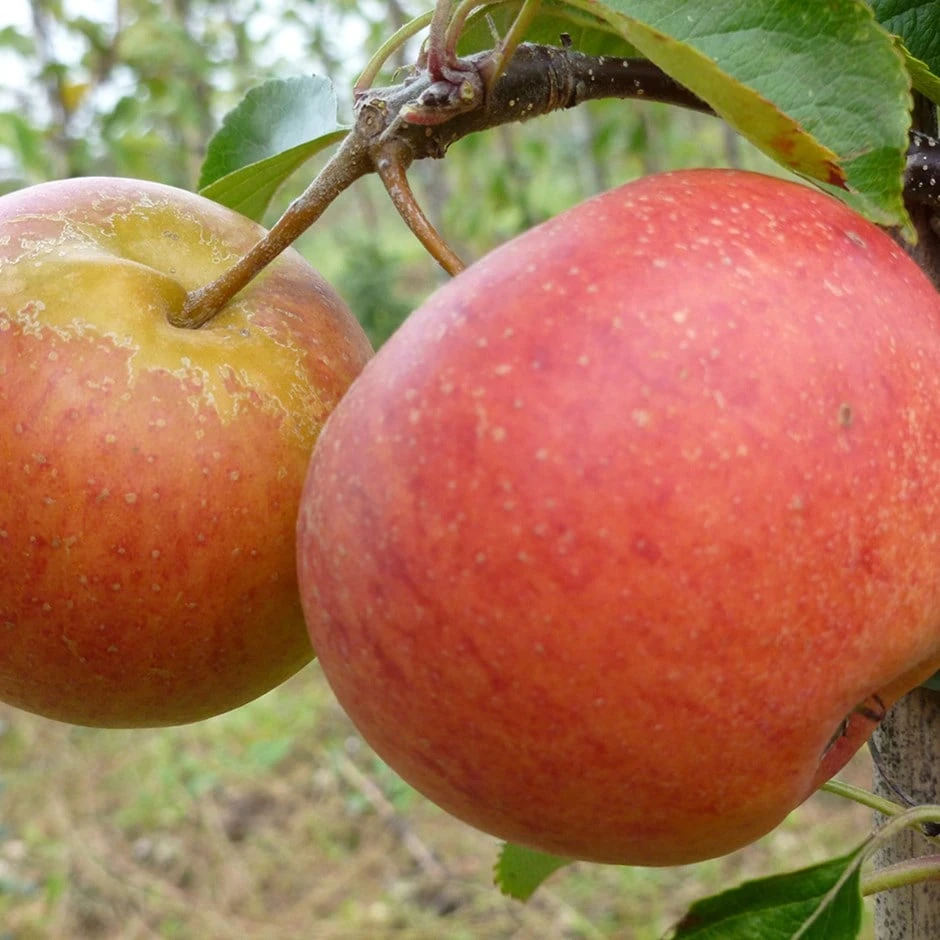
Apple Rubinette (‘Rafzubin’)
Original price was: £54.99.£38.49Current price is: £38.49.
- Multiple safe payment methods
- Hassle-Free Payments
- 7 days free returns
- Discover a world of quality products.

- Position: Full sun
- Soil: Moderately fertile, moist, well-drained soil
- Rate of growth: Average
- Flowering period: March to April
- Hardiness: Fully hardy
- Garden care: Keep the base of the tree weed free, fertilise at the beginning of each year and water regularly during hot, dry spells. The main prune should be done in the winter as long as it isn’t frosty or freezing. Take out the 3D’s (dead, dying and diseased wood) and create an open shape. Then reduce the leaders back by a third. Aim to create an airy structure without any crisscrossing branches. In August summer prune. Shorten any side shoots (or laterals) which are longer than 20cm back to three leaves. This will allow the sun to ripen the fruit and encourage more fruit buds. Make sure that the growth you’re cutting away feels firm to the touch.
‘Rubinette’, also known as ‘Rafzubin’, was developed by Walter Hauenstein, a Swiss grower from Rafz between 1964 and 1982. Intended to combine the excellent yield and storage traits of ‘Golden Delicious’ with the deeper flavours of ‘Cox’s Orange Pippin’. ‘Rubinette’ displays characteristic orange and dull red streaks on a light green-yellow backdrop, and the apples are generally small to medium-sized, with superb flavour. With a wider climate range compared to ‘Cox’s Orange Pippin’, ‘Rubinette’ proves a better choice for gardeners in areas with high summer temperatures.
Pollination information: This apple belongs to pollination group 3, and is not self fertile, so does not need a pollinating partner to produce a crop of apples. Cross-pollinate with other apples in this group or those from group or those from groups 2 or 4.
| Option | 9 litre pot, M26 root stock, 1.2m |
|---|
Be the first to review “Apple Rubinette (‘Rafzubin’)”
Related products
-30%
Original price was: £22.99.£16.09Current price is: £16.09.
-30%

Original price was: £27.99.£19.59Current price is: £19.59.
-30%


Original price was: £37.99.£26.59Current price is: £26.59.
-30%
Original price was: £29.99.£20.99Current price is: £20.99.
-30%


Original price was: £24.99.£17.49Current price is: £17.49.
-30%

Original price was: £27.99.£19.59Current price is: £19.59.
-30%

Original price was: £27.99.£19.59Current price is: £19.59.
-30%


Original price was: £27.99.£19.59Current price is: £19.59.
Reviews
There are no reviews yet.